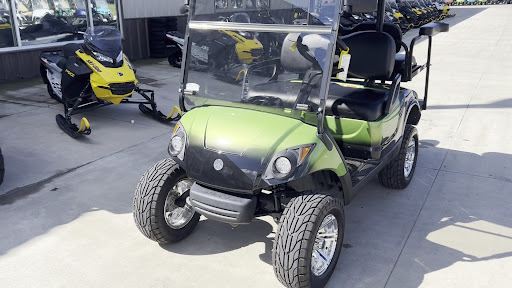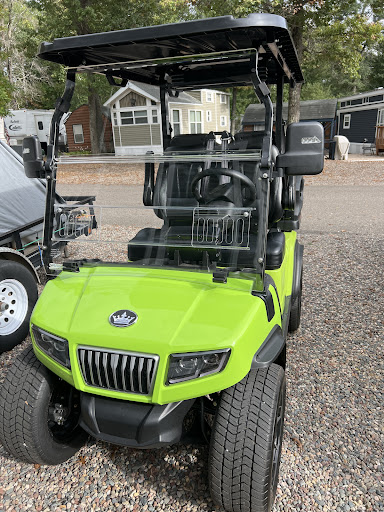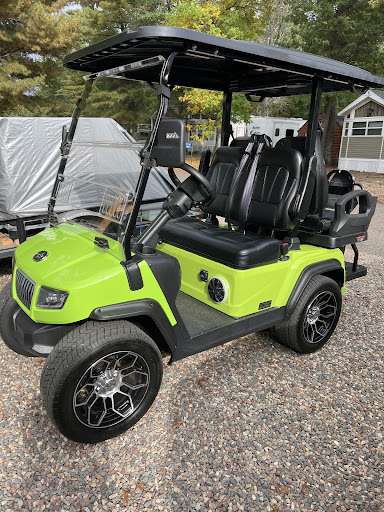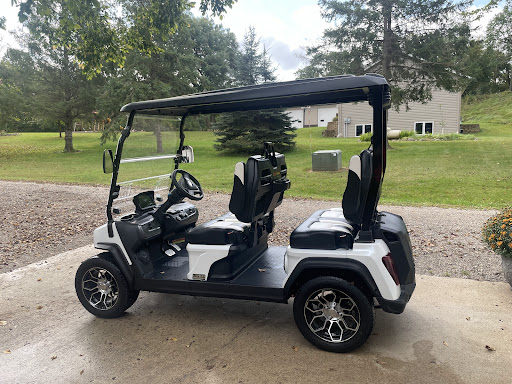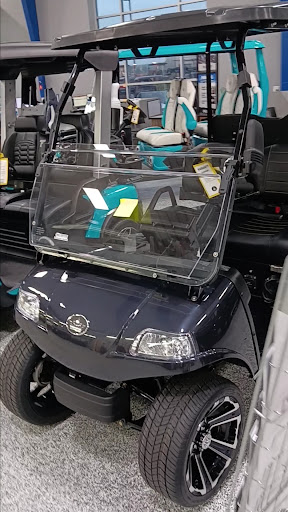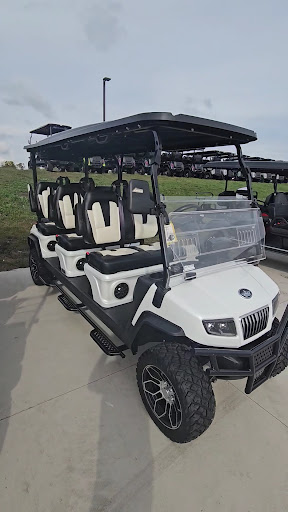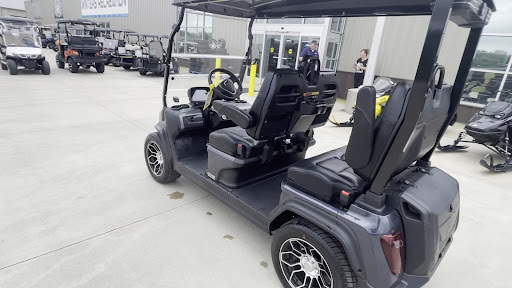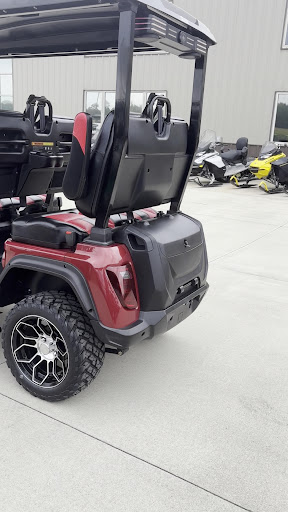


In recent years, electric golf carts have quietly gained momentum as popular “second cars” for many American families. These compact, efficient, and versatile vehicles are no longer just seen on golf courses, but are increasingly being used for local commutes and neighborhood transportation.
One of the key factors driving this surge in popularity is the advancement of electric vehicle (EV) technology. Electric golf carts have benefited from improvements in battery life, with compact lithium-ion batteries providing longer ranges. Additionally, higher quality brushless electric motors have increased the power of these carts. Nowadays, you can even find golf carts with lifted suspensions and sound systems available for purchase.
Modern electric golf carts offer smooth and silent rides, making them comfortable for daily short commutes. They eliminate the need for regular maintenance associated with gasoline engines and the inconvenience of running out of gas. This convenience, combined with the increasing number of towns allowing golf carts on smaller public roads, has led many families to replace the need for a second car. Cities like Peachtree City in Georgia have embraced golf carts as everyday vehicles. They have designated specific paths for golf carts, bicycles, and scooters, providing shorter routes and avoiding traffic from larger vehicles.
Newcomers to golf cart-friendly communities often purchase a cart as their first transportation option. Affordability is another driving factor behind the popularity of electric golf carts. They are significantly cheaper than cars, and their operating costs are a fraction of those for automobiles. The reduced maintenance needs and low “fuel” costs make electric carts economically appealing to budget-conscious consumers.
Furthermore, the environmental factor plays a role in the rising popularity of electric golf carts. As awareness about climate change and the environmental impact of fossil fuels grows, many Americans are seeking greener alternatives. Electric golf carts produce zero tailpipe emissions and have a smaller environmental footprint than conventional cars.
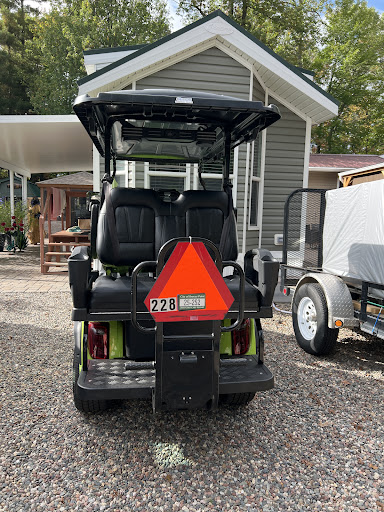
In addition to cost savings and environmental benefits, the practicality of electric golf carts in certain contexts is unbeatable. They are convenient for short trips within communities, easy to park, and have adequate speeds for residential areas. Legal regulations have also evolved to accommodate this trend, with many states allowing golf carts on public roads with speed limits of up to 35 mph, provided they meet safety requirements. Manufacturers have modified their models to meet these requirements and have created Low Speed Vehicles (LSVs).
Overall, the popularity of electric golf carts as second cars in the US can be attributed to their technological advancements, affordability, environmental appeal, and practicality in various contexts.
Read similar articles at Golf Cart Option magazine
Browse our Electric Golf Cart inventory